https://www.thebrandingjournal.com/2015/10/what-is-branding-definition
What Is Branding?
October 27, 2015
5 minute read

- Home
- Brand Strategy
- Branding Concepts
- What Is Branding?
Unsure about the meaning of “branding”? Don’t worry! Branding is one of those marketing concepts that are a bit vague and can quickly become confusing, even for people who have studied marketing.
Today we are going to take a look at “what is branding” and try to provide a clear answer with simple words and examples!
In order to understand the concept of branding, first we need to know what products and brands are. Let’s go!
Proven Systems for Business Owners, Marketers, and Agencies
→ Our mini-course helps you audit and refine an existing brand in 15 days, just 15 minutes a day.
→ The Ultimate Brand Building System is your step-by-step blueprint to building and scaling powerful brands from scratch.
Table of Contents
Product definition
“Broadly, a product is anything that can be offered to a market to satisfy a want or need, including physical goods, services, experiences, events, persons, places, properties, organizations, information, and ideas” (Kotler & Keller, 2015).
This means that a product can be anything from a hotel stay, a flight, a language course, to clothes, food, a toothbrush etc.
To illustrate the definition of a product and the role it occupies in defining branding, we will use the example of water:
Water is a freely available resource that is essential for every human being to live and survive. Yet it became a product the day humans and companies started to commercialize it, for example by selling mineral water in glass and plastic bottles.

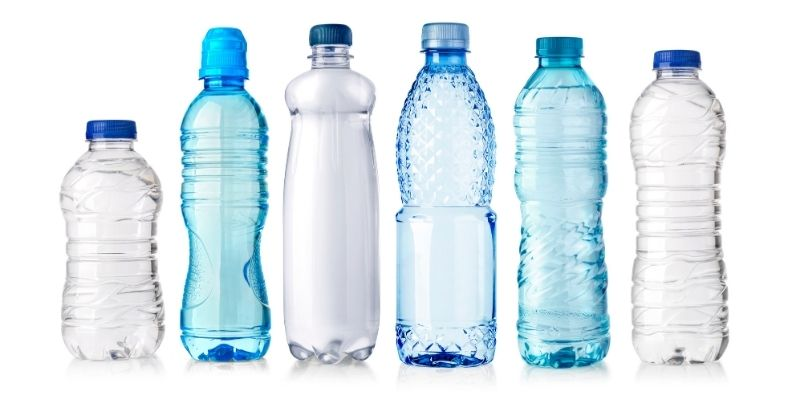
But water always looks the same, isn’t it? It is always in a liquid state, and transparent. So, how can different companies sell the same product but still convince people to purchase their bottled water instead of the one from the competition?
The answer is: by creating a brand.
Brand definition
“A brand is a name, term, design, symbol, or any other feature that identifies one seller’s good or service as distinct from those of other sellers” (American Marketing Association).
You can consider a brand as the idea or image people have in mind when thinking about specific products, services, and activities of a company, both in a practical (e.g. “the shoe is light-weight”) and emotional way (e.g. “the shoe makes me feel powerful”). It is therefore not just the physical features that create a brand but also the feelings that consumers develop towards the company or its product. This combination of physical and emotional cues is triggered when exposed to the name, the logo, the visual identity, or even the message communicated.
A product can be easily copied by other players in a market, but a brand will always be unique. For example, Pepsi and Coca-Cola taste very similar, however for some reason, some people feel more connected to Coca-Cola, others to Pepsi.
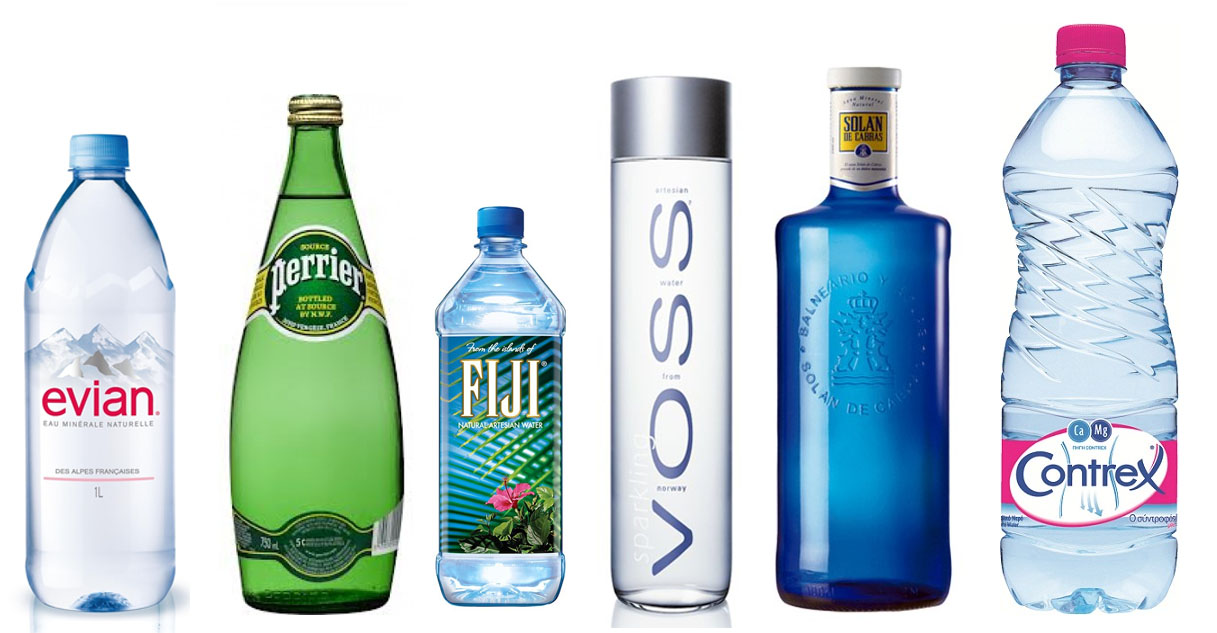
Let’s illustrate this again with our water example. The product sold is water, but in order to convince people to purchase a particular water, companies developed different water brands, such as Evian, Perrier, Fiji or Volvic. And each one of these brands provides a different meaning to the product water:
– Evian makes you feel young
– Perrier is refreshing and bubbling.
– Fiji Water is pure, healthy and natural
…and so on.
In the end, a brand is a person’s gut feeling about a specific product or company. Each person creates his or her own version of it, and some brands increase or decrease in popularity because of how consumers feel about them.
Branding definition
What is it?
“Branding is endowing products and services with the power of a brand” (Kotler & Keller, 2015)
Branding is the process of giving a meaning to specific organization, company, products or services by creating and shaping a brand in consumers’ minds. It is a strategy designed by organizations to help people to quickly identify and experience their brand, and give them a reason to choose their products over the competition’s, by clarifying what this particular brand is and is not.
The objective is to attract and retain loyal customers and other stakeholders by delivering a product that is always aligned with what the brand promises.
Who does it affect?
- Consumers: As discussed above, a brand provides consumers with a decision-making-shortcut when feeling indecisive about the same product from different companies.
- Employees/shareholders/third-parties: Besides helping consumers to distinguish similar products, successful branding strategies are also adding to a company’s reputation. This asset can affect a range of people, from consumers to employees, investors, shareholders, providers, and distributors. As an example, if you don’t like or don’t feel connected to a brand, you would probably not want to work for it. However, if you feel like the brand understands you and offers products that inspire you, you would probably desire to work for it and be part of its world.
How can it be done?
Companies typically use various tools to build a brand.
Branding can be achieved through the definition of the following elements:
- Brand essence and core identity: This includes the brand’s purpose, vision, mission, values, and guiding principles
- Brand positioning
- Brand promise
- Brand identity: For example, the brand’s name, personality, communication style and tone of voice, visual identity design (including logo design, color palette, typographies, etc.)
Additionally, it’s essential to devise a brand communication plan to bring the brand to life and allow it to be experienced by different audiences. The brand also needs to be aligned with all aspects of the organization to ensure its coherence and strength. This part of branding, which involves implementing the brand, often overlaps with marketing strategies. Some examples include:
- Web design and online presence
- Advertising and communication campaigns: e.g., newsletters, social media ads, TV commercials, radio, magazines, outdoor ads
- Product and packaging design
- In-store experience
- Sponsoring and partnerships: e.g., sponsoring events, influencer marketing
- Customer service
- Workspace experience and management style
In our example of branding water, packaging design and advertising are perhaps the most powerful tools used by marketers:
Packaging design is the silent salesman that will grab busy consumers’ attention in-store. It informs consumers about the product’s properties and visually differentiates the brand from the competition on-shelf.
An interesting example is Fiji Water, which managed to create a bottle design that perfectly reflects the brand’s values: transparency effects convey purity, while the tropical flower and the blue background evoke nature. The bottle design is elegantly crafted, conveying a sense of exclusivity.
Since 2022, the brand has been using 100% recycled plastic for their packaging and this aligns with their sustainability commitment. However, as a side note, we believe that additional enhancements could be made by exploring refillable solutions or incorporating natural materials to the bottle. These actions would further strengthen the brand’s alignment with its values and promise.
A post shared by FIJI Water (@fijiwater)
Advertising is a powerful tool to create and shape a brand universe as it is very visual and tells a story about the product/company. Here are some examples of branding water through advertising:
Evian makes you feel young:
Perrier is refreshing, bubbling, and sexy:
Fiji Water is pure, healthy, and natural:
Conclusion
In very simple words, a product is what you sell, a brand is the perceived image of the product you sell, and branding is the strategy to create that image.
I hope this article helped you to have a clearer idea of what branding means. If you have any comments or suggestions to improve the article, please don’t hesitate to share your thoughts in the comments below!